Supersonic
Concorde wasn’t a relic. It was a blueprint.
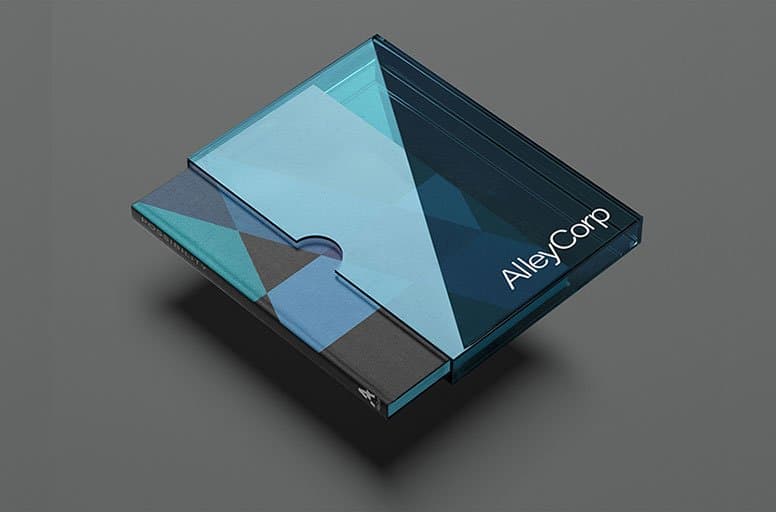
Concorde stopped flying in 2003. In the two decades since, its story had calcified into nostalgia — mourned by aviation enthusiasts and largely ignored by everyone else. That framing was both inaccurate and a waste. Concorde wasn’t a dead end. It was the clearest proof in modern history of what happens when ambition, engineering, and design operate without compromise. Macroscopic wrote and produced Supersonic: The Design and Lifestyle of Concorde to make that argument stick.
Sector
Arts & Culture
Services
Book development
Editorial curation
Visual design
Narrative strategy

The Problem
The risk wasn’t that Concorde would be forgotten. It was that it would be remembered wrong — as a triumph of the past rather than a model for the future.
A conventional aviation history book would have done more harm than good. It would have confirmed exactly the wrong story: that Concorde was a magnificent anomaly, hermetically sealed in its era, with nothing left to say to designers, futurists, or builders working today.
The opportunity was something harder to execute: a book that used Concorde’s story to open a conversation about what becomes possible when technology and vision refuse to settle. It required a different kind of authorship — part curation, part design, part cultural argument.
The Bigger Pattern
The most enduring stories aren’t about what happened. They’re about what it means that it happened, and what it demands of the people who come after. Supersonic worked because it refused to treat Concorde as history. It treated it as an unfinished argument. That’s the standard we hold for every project where the subject is bigger than the brief.
A universal visual language
Drawing from a collection of over 1,000 Concorde artifacts, we curated rarely seen imagery, technical schematics, and firsthand accounts — building an archive before building a book. We worked with designers, engineers, and historians to assemble a portrait that bridged aerospace, luxury, and cultural history without flattening any of them.
Every editorial and visual decision was made with the same logic: the book itself had to embody what it was arguing for. Sleek, precise, elevated; it was designed to transport readers into the mindset of an era where the future wasn’t imagined, it was built. The form had to earn the argument. The result reframed Concorde not as a defunct aircraft but as a design icon. It’s a blueprint for what happens when ambition and creativity operate at full extension, and a direct provocation to the designers and builders reading it today.
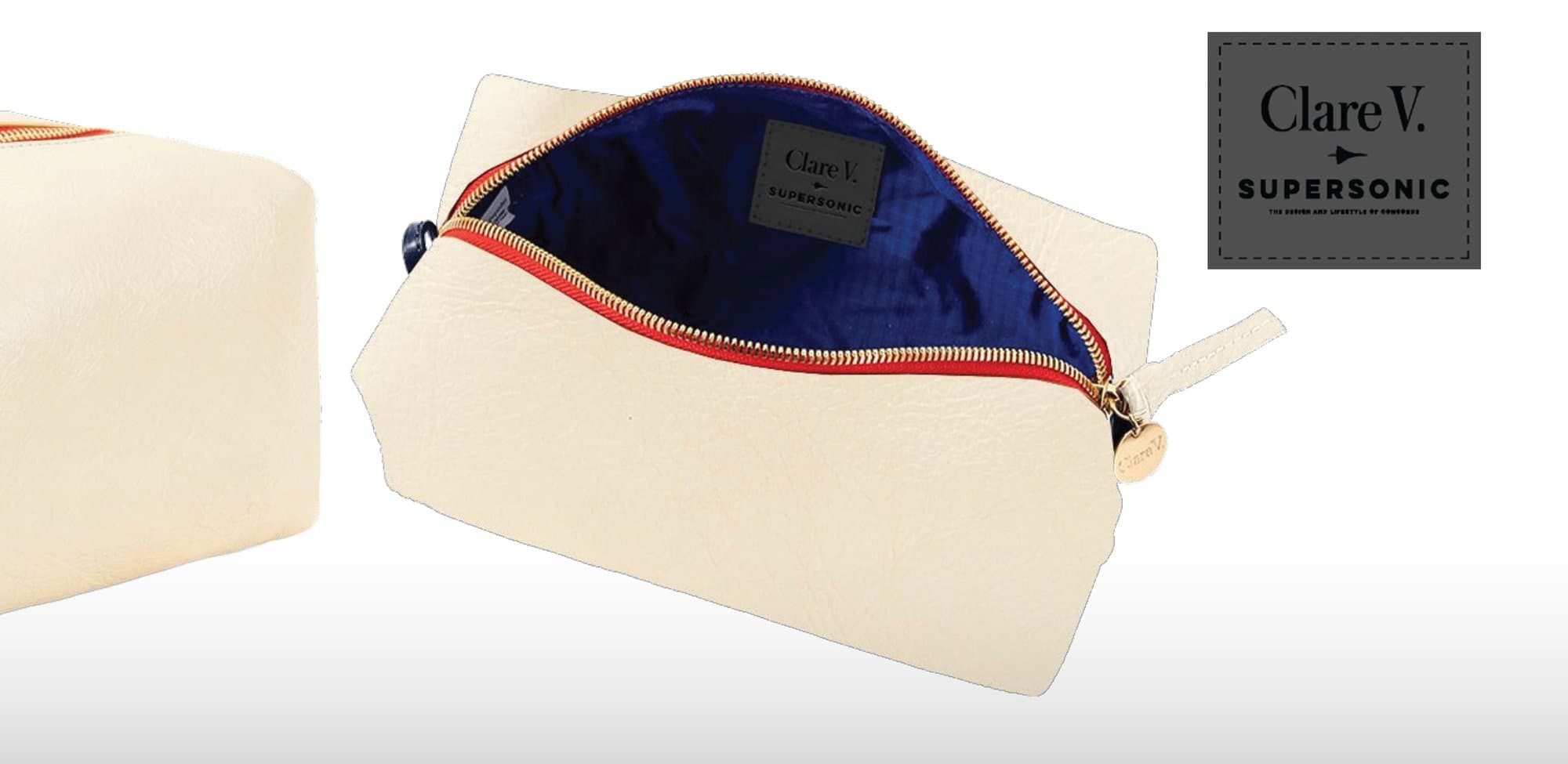
That the design language resonated beyond aviation was always the point, and the Clare V collaboration made it undeniable. For the third edition, the acclaimed fashion designer wrote the foreword and produced a limited run of merchandise inspired by and branded with the Supersonic identity. It was confirmation that what Macroscopic built wasn’t an aviation aesthetic. It was a design philosophy with enough range to speak to fashion, lifestyle, and culture — an ecosystem far broader than the aircraft that inspired it.
What it’s unlocked
- Amazon “Best of the Year” — Arts & Photography
- Sold-out speaking engagements at the V&A London, TEDxUCLA, and Le Bon Marché Paris
- Critical recognition for visual storytelling and meticulous research across design, aviation, and futurist audiences
- Third edition released featuring a foreword by fashion designer Clare V and a limited merchandise collaboration inspired by the Supersonic identity
- Cross-industry reach confirmed — the Clare V partnership signals the book’s resonance beyond aviation and design into fashion and lifestyle